
Israel–Iran Airstrikes: Escalation, Fallout, and the U.S. Divide
Overview
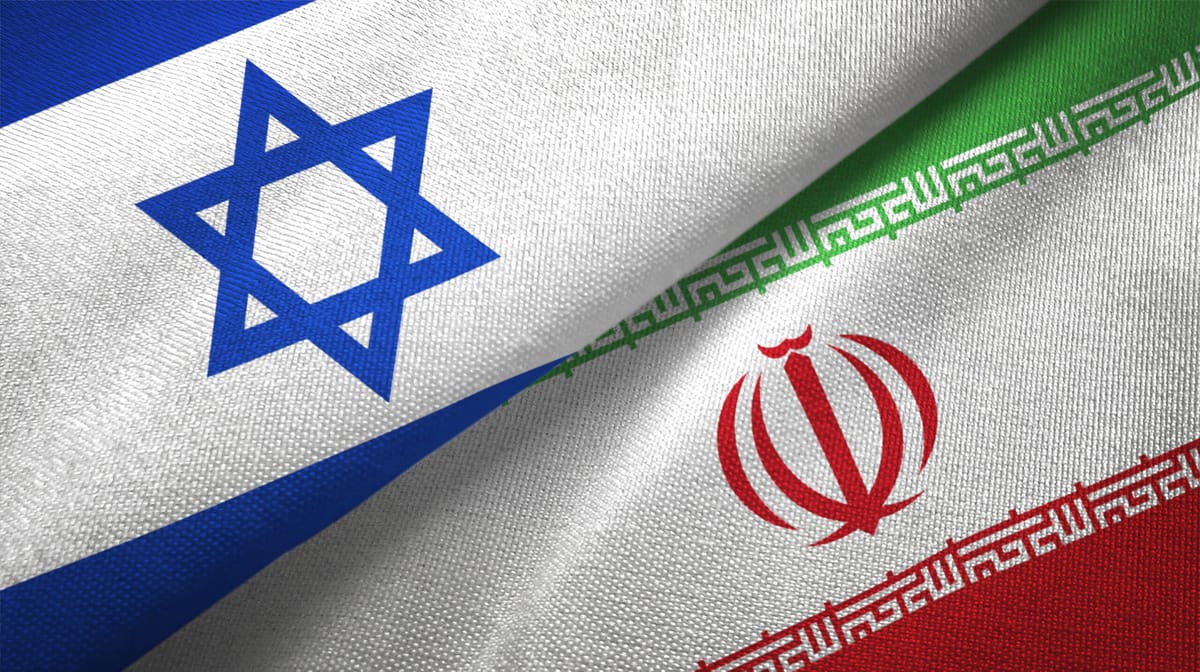
On June 13, 2025, Israel launched Operation Rising Lion, targeting over 100 Iranian nuclear, military, and symbolic sites. Among those killed was Fereydoon Abbasi, former head of Iran’s Atomic Energy Organization, who died just two days before a planned meeting with U.S. officials on nuclear negotiations.¹
In response, Iran launched a large-scale missile and drone attack across Israeli cities, including Tel Aviv and northern Israel. Despite Israel’s defenses, some attacks penetrated and caused casualties.²
On June 21, the U.S. conducted airstrikes on Iran’s nuclear sites at Fordow, Natanz, and Esfahan, deploying B‑2 bombers and bunker-buster bombs.³
Two days later (June 23), President Trump announced a “complete and total ceasefire” between Israel and Iran, though both sides quickly violated it.⁴
Despite the ceasefire, both countries carried out limited strikes: Israel hit an Iranian radar site, and Iran launched missiles at Israel and a U.S. base in Qatar causing no damage but signaling tensions remain high.⁵
What the Right Is Saying
Reactions among conservative lawmakers and commentators are mixed with support and criticism of Israel's actions.
Right‑Wing Support
- Former Secretary of State Mike Pompeo argued Israel’s action was essential to prevent a nuclear-armed Iran and preserve Western credibility.⁶
- Senator Lindsey Graham (R‑SC) described the strikes as “measured and necessary” to deter Iran’s nuclear ambitions.⁷
Conservative Critics
- Representative Tim Burchett (R‑TN) condemned pro-war Republicans as “war pimps.”⁸
- Steve Bannon and Tucker Carlson warned Trump that intervention could alienate his MAGA base and conflict with the “America First” platform.⁹
The key rift in the GOP centers on how much the U.S. should support Israel. Especially at a time when domestic priorities might suffer, and whether military backing is justified following an attack initiated by Israel. Trump’s decision has further split his MAGA supporters, many of whom were drawn to his anti-war promise.¹⁰
What the Left Is Saying
While many Democrats and left-leaning commentators have expressed concern over the attacks, urging diplomacy and caution. Others on the left have supported Israel’s actions, framing them as acts of self-defense.
Left-Wing Support
- Senator John Fetterman (D‑PA) called the strikes “limited and strategic” military moves, not acts of war.¹¹
- Representative Jared Moskowitz (D‑FL), said Israel acted to "protect itself, its citizens, and its right to exist," adding that Iran's failure to comply with non‑proliferation obligations made the strikes “justified”¹²
Left Criticism
- Senator Chris Murphy (D‑CT) described the strikes as “reckless,” warning they undermine diplomacy.¹³
- Representatives Ro Khanna (D‑CA) and Pramila Jayapal (D‑WA) criticized Trump for bypassing Congress and risking U.S. troops.¹⁴
This divide highlights the tension within the Democratic Party between supporting a key ally and urging a foreign policy driven by de-escalation and legislative oversight.
Nibbles Take
This Israel and Iran escalation marks a moment in politics where traditional party lines blur. Prominent conservatives have joined progressives in opposing further military engagement, while others in both camps support Israel’s actions.
A recent Reuters/Ipsos poll shows the public is largely against US intervention¹⁵:
- 36% support the U.S. airstrikes
- 32% favor continued military action
- 84% worry the conflict may escalate further
My biggest concern is the risk of history repeating itself.
In 2003, the U.S. invaded Iraq based on claims of weapons of mass destruction, claims that were never proven.¹⁶ A similar narrative seems to be forming now. Former DNI Tulsi Gabbard testified earlier this year that there was “no imminent nuclear threat” from Iran, a claim she and President Trump have since made conflicting statements om, raising transparency concerns.¹⁷
Making a move as drastic as striking Iran without solid proof would only cement the United States’ reputation in the Middle East as a reckless actor.
Religion in Decision-Making
A troubling trend I see noticed is the use of religious rhetoric to justify military action. At a time when the lines between church and state becomes increasingly unclear, it is alarming to see public officials in the U.S. cite scripture to defend strikes that most Americans aren’t ready to support.
Take Senator Ted Cruz, for instance. On Tucker Carlson Uncensored, he defended backing Israel by quoting Genesis 12:3: “I will bless those who bless you, and whoever curses you I will curse.” That’s theology, not foreign policy.¹⁸
When religious justification starts shaping military decisions, we risk turning complex geopolitical conflicts into holy missions. And that is not just dangerous, it is undemocratic.
Endnotes & Sources
- Israel strikes and Fereydoon Abbasi killed.
- Iran’s missile & drone retaliation.
- U.S. airstrikes on Iran.
- Ceasefire announcement and violations.
- Post-ceasefire actions.
- Mike Pompeo support viewpoint.
- Lindsey Graham’s support.
- Tim Burchett quote.
- Warnings from Bannon & Carlson.
- GOP divide and Trump’s MAGA impact.
- Fetterman support quote.
- Moskowitz support quote.
- Chris Murphy criticism.
- Criticism by Khanna & Jayapal.
- Public opinion poll figures.
- Iraq WMD claims.
- Tulsi Gabbard testimony.
- Ted Cruz scripture quote.